Tel

MHC Healthcare: Community Clinics Improving Preventive Care
When you look at how community clinics like MHC Healthcare operate, you’ll notice they’re not just about treating illness—they focus on prevention and making healthcare accessible where it’s needed most. Their approach brings essential services directly to you, eliminates many barriers, and forges real connections within the neighborhoods they serve. If you’ve ever wondered what real change in local healthcare looks like, there’s more behind MHC’s model that you might want to discover.
Overview of Community Health Centers
Community health centers function as essential access points for individuals and families who are uninsured or underinsured, providing necessary healthcare services at a manageable cost. In the United States, these centers focus on disease management for chronic conditions such as asthma and diabetes, aiming to improve access to quality care.
The services offered by MHC clinics include needs assessments, management of infection concerns, blood pressure monitoring, and support for preventive programs. These clinics provide flexible scheduling options, allowing patients to connect with healthcare professionals either onsite or through virtual consultations. This model accommodates a diverse demographic, including children, professionals, and schools.
Mobile clinics are also employed to extend healthcare services to rural communities, effectively addressing geographic barriers to access. Research conducted by community leaders has shown that these health centers contribute to improved patient outcomes, as documented in peer-reviewed studies (International Journal of Equity).
Overall, community health centers play a critical role in the healthcare system by mitigating access issues and fostering better health management among underserved populations.
Essential Services Provided by MHCs
Mobile Health Clinics (MHCs) serve as vital components in addressing healthcare disparities for communities that experience limited access to conventional medical facilities. These clinics typically provide essential services such as primary medical care, immunizations for children, blood pressure screenings, and management of chronic conditions.
MHCs collaborate with educational institutions, community leaders, and health organizations to tailor their offerings based on local health assessments, ensuring that their interventions meet specific community needs.
By effectively reducing unnecessary emergency room visits and delivering Medicare-compatible services, MHCs enhance healthcare accessibility in rural regions. A team of licensed healthcare professionals, including physicians and nurses, employs both mobile and virtual care models to facilitate better health outcomes.
This approach has been substantiated by research conducted in the United States, which underscores the positive impact of MHCs on patient care and community health.
Addressing Common Health Concerns
Community health clinics employ a targeted approach to address common health concerns by delivering preventative and primary care services to underserved populations. These clinics provide a variety of medical services and programs aimed at both children and adults, including blood pressure monitoring, infection management, and chronic disease management.
Healthcare professionals, including physicians and nurses, focus on managing chronic conditions such as cancer and elevated cholesterol levels. Access to these services is enhanced through initiatives like mobile clinics and virtual care options.
Studies conducted in the United States indicate that such approaches can lead to improved patient outcomes, particularly in rural areas where healthcare access is often limited. Additionally, feedback from schools and community leaders plays a crucial role in needs assessments, allowing clinics to adapt their services in response to the evolving landscape of chronic health issues.
This evidence-based framework underscores the importance of tailored healthcare solutions in addressing the specific needs of diverse populations.
Enhancing Healthcare Access in Underserved Areas
In numerous communities, access to healthcare remains a significant challenge. Mobile health clinics (MHCs) have emerged as a pragmatic solution to address these disparities. MHCs operate in various settings, including rural areas, schools, and parks, facilitating access to essential medical services, disease management, and preventive care for both children and adults.
These clinics are typically staffed by healthcare professionals, including physicians and nurses, who focus on managing chronic conditions such as hypertension and infections. By collaborating with local community leaders and organizations, MHCs are able to offer flexible scheduling options, thereby improving access and fostering better patient outcomes.
Empirical evidence supports the efficacy of MHCs, with research indicating a correlation between their implementation and a reduction in emergency room visits, as well as enhanced management of chronic diseases across different regions in the United States.
These findings are documented in various studies, including publications in the International Journal for Equity in Health.
The Role of Technology in Patient Care
Technology significantly influences patient care in community clinics, particularly through the use of mobile health units (MHUs). Applications such as My Memorial Hermann™ facilitate the scheduling of medical services, enable tracking of blood pressure, and provide connections to physicians for managing chronic diseases.
Virtual consultations are particularly beneficial in rural communities, as they can lead to a reduction in emergency visits while enhancing access to quality healthcare for various age groups.
The implementation of electronic health records, bolstered by technological partnerships, allows for better coordination among healthcare providers, including nurses and other professionals working in MHUs and community health centers. This collaboration extends to schools and sports programs, ensuring a more integrated approach to patient care.
Research and needs assessments conducted by community leaders indicate that the integration of technology can lead to improved patient outcomes. Insights from these findings can inform future healthcare initiatives and missions, demonstrating the practical impact of technology on healthcare delivery.
Overall, the evidence suggests a positive correlation between technology use and the quality of patient care in community settings.
Overcoming Barriers to Healthcare Access
Access to healthcare continues to pose significant challenges for many underserved communities, despite advancements in healthcare delivery systems. Mobile clinic programs, such as MHC Healthcare, have been developed to address these barriers by providing medical services, disease management, and preventive care directly within rural settings, schools, and parks.
These clinics are particularly beneficial for children, as they monitor vital health indicators such as blood pressure and address various health concerns, including chronic diseases, infections, and cancer risk.
Research indicates that these mobile health clinics can lead to improved access to quality healthcare and favorable patient outcomes. The involvement of healthcare professionals—such as nurses and physicians—along with the incorporation of virtual care options, has the potential to minimize unnecessary emergency room visits and reduce healthcare expenses.
Furthermore, data from both the United States and Haiti supports these findings, demonstrating a correlation between enhanced access to care and the management of chronic health conditions.
It is essential to consider the implications of such programs in terms of their capacity to meet the healthcare needs of marginalized populations. By conducting thorough needs assessments and evaluating the effectiveness of mobile clinics, stakeholders can make informed decisions aimed at improving healthcare delivery in areas where traditional access remains limited.
Collaborative Partnerships in Community Health
By establishing early relationships with local leaders, community clinics such as MHC Healthcare enhance their understanding of the specific health needs of residents. This approach is critical for garnering support for mobile health operations.
Collaborative partnerships with educational institutions and healthcare professionals—including physicians and nurses—facilitate the development of essential programs and services. These initiatives encompass sports physicals for children, chronic disease management, and emergency care services.
MHCs effectively assemble their missions and allocate resources to improve access to quality medical care in rural areas. The implementation of Community-Based Participatory Research (CBPR) and continuous needs assessments plays a significant role in identifying community health priorities.
Such strategies inform interventions that address infection control and the management of chronic diseases. Recent findings published in the International Journal of Equity and related scoping reviews support the efficacy of these approaches, underscoring their importance in enhancing community health outcomes.
Evaluating Patient Outcomes and Program Impact
Community clinics, such as MHC Healthcare, employ various methods to assess the impact of their services in real-world settings. Data collected between 2015 and 2019 indicates that over 4,900 individuals received care for prevalent health issues, including hypertension and high cholesterol.
The implementation of mobile clinic programs in rural areas has been associated with improved patient outcomes through enhanced access to quality healthcare, a decrease in emergency room visits, and more effective management of chronic diseases. Healthcare professionals, including physicians and nurses, provide services not only in traditional clinical settings but also in schools, parks, and through virtual consultations.
Analyses of program outcomes reveal challenges related to follow-up care, underscoring the important role of community clinics in addressing health disparities in rural populations across the United States.
Sustainable Approaches to Community Health Delivery
Establishing effective systems for community health delivery involves the implementation of practical strategies that prioritize both accessibility and long-term sustainability.
Mobile health clinic programs, often supported by community leaders and healthcare professionals, provide critical medical services to rural areas and under-resourced urban centers. These mobile health clinics (MHCs) have been shown to improve patient outcomes by enhancing access to preventive care services, which include routine blood pressure monitoring and cancer screenings.
Additionally, venues such as schools and sports parks, alongside virtual platforms, facilitate efficient outreach by nurses and physicians to both children and adults.
Conducting needs assessments and utilizing community-based participatory research (CBPR) are essential components that inform these health initiatives. Evidence from diverse missions and studies across the United States supports the assertion that collaborative efforts are effective in reducing emergency room visits and improving the management of chronic health conditions.
By fostering partnerships between healthcare providers and the communities they serve, these programs can address health disparities and promote more equitable health outcomes.
Future Directions for MHC Expansion
MHC Healthcare’s expansion strategy focuses on enhancing partnerships with healthcare providers, educational institutions, and community organizations to improve access to preventive care for underserved populations.
This initiative includes increasing the number of mobile clinic missions, establishing collaborations with schools, integrating virtual services, and working with community leaders, particularly in rural areas.
Future programs will address critical health issues such as chronic diseases, cancer screenings, infection prevention, and blood pressure management.
The approach will be informed by community-based participatory research (CBPR), utilizing lessons learned from practices in the United States, alongside data obtained from scoping reviews in relevant journals (Int J, J Equity).
By conducting thorough needs assessments and implementing operational improvements based on collected data, MHC aims to enhance access to quality care, promote better patient outcomes, and ensure a more sustainable healthcare delivery system.
This methodical approach underscores the commitment to addressing healthcare disparities effectively.
Conclusion
As you consider your healthcare options, remember that MHC Healthcare focuses on making preventive services accessible and effective in your community. You can rely on their proactive approach, partnerships, and tailored programs to support your needs. With their commitment to removing barriers and integrating new technologies, you’ll find services designed to keep you well and informed. MHC Healthcare continues to adapt and expand, ensuring you and your neighbors receive quality, comprehensive care now and in the future.
- Press & Recent News
 Check out the recent LoveLite press, Celeb gossip and news by clicking here!Read More....
- How It Feels
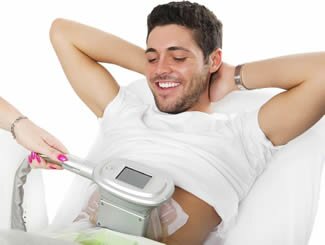 Non Invasive Lipo TreatmentsRead More....
 - LoveLite
 Who are LoveLite...Read More....
 - Teeth Whitening Training
 Train in Harley Street and become a LoveLite technicianRead More....
 - Science Behind Lipoglaze
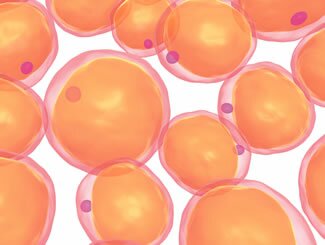 A New Found Celebrity Secret...Read More....
- TOWIE Boys Visit LoveLite
 The Lovely Bobby & Charlite Visit Harley Street For Lipoglaze & Teeth WhiteningRead More....
- Made In Chelsea
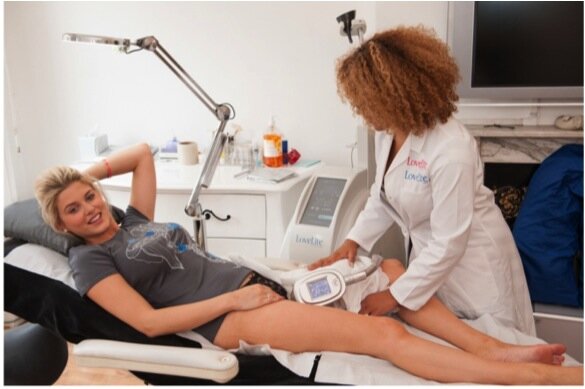 The Stunning Ashley James From Hit Show Made In Chelsea Has LipoglazeRead More....
- Strictly Come Dancing
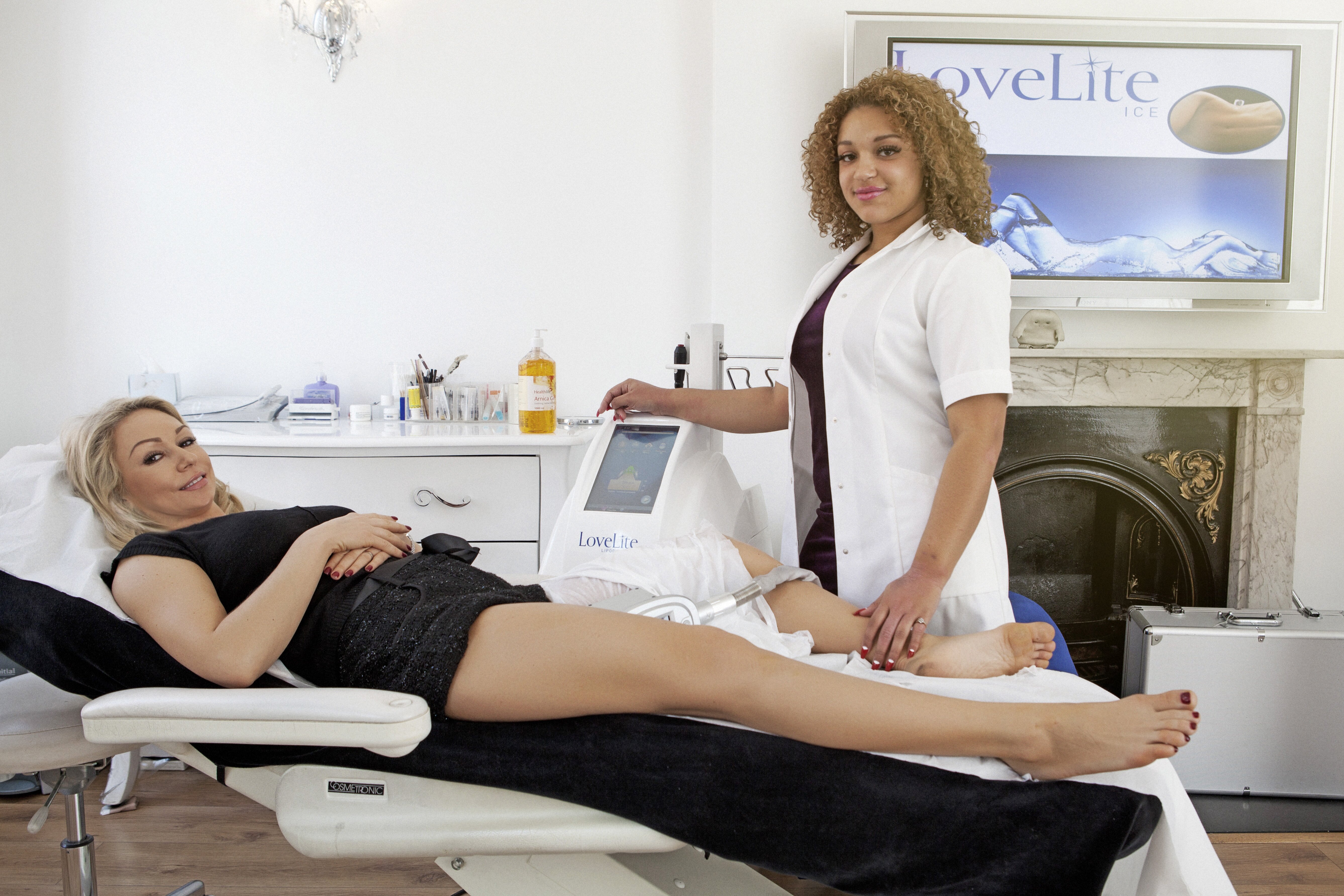 Kristina Rhianoff Has Lipoglaze To Get The Thigh Gap LookRead More....
- Lovelite UK 144 © 2014 |

- some useful links
- The materials published herein are solely and exclusively the property of loveliteuk ltd. this includes and does not exclude, text, contact information, names and addresses of our staff or technicians, and you do not have our permission to repost, copy, or share on social network sites without our express permission beforehand. This message is directly addressed to SOITW and any of its members
- Site | Hertsmedia