Tel

NHS vs. Private Thoracic Surgery: What Are the Key Differences in the UK?

When you’re facing thoracic surgery in the UK, you’re not just choosing a surgeon, you’re choosing a whole system of care. On the NHS, you’ll usually wait longer but benefit from a large, team-based setup, while private care often offers faster access and more one-to-one contact with your chosen consultant. The trade-offs involve time, cost, comfort and backup if things don’t go to plan…
NHS vs Private Thoracic Surgery: Which Is Right for You?
When you need thoracic surgery in the UK, choosing between NHS and private care usually depends on how you prioritise waiting time, continuity of care, cost, and follow-up access.
Private care often offers shorter waits, with consultation and surgery sometimes arranged within days to a few weeks, depending on capacity and clinical urgency. In the NHS, non-urgent thoracic surgery is generally subject to longer waiting times, and although there's a target for treatment within 18 weeks of referral, local pressures can mean waits exceed this in some areas. In the UK private sector, care is usually delivered through a named consultant, and in this context, some patients may be referred to a private thoracic surgeon who coordinates assessment and treatment planning alongside the wider clinical team.
Continuity of care also differs. In the NHS, you may be seen by different doctors and nurses at various stages, though your care will be managed within a multidisciplinary team. In the private sector, the same consultant is more likely to oversee your care from initial assessment through to follow-up, although other team members will still be involved.
Cost is a significant factor. NHS care is free at the point of use for eligible patients. Private treatment involves self-funding or using health insurance, with potential additional charges for certain scans, extended hospital stays, or managing complications, depending on the policy or package.
Follow-up and access to advice can also vary. In the NHS, post-operative concerns are usually routed through your GP, dedicated hospital helplines, or A&E if urgent. Private care may offer more direct access to your consultant or team for post-operative queries, though the extent of this depends on the provider and your agreement.
The appropriate choice depends on your clinical situation, financial circumstances, and preferences for speed, continuity, and how you wish to access follow-up care.
Thoracic Surgery in the UK: What It Includes
Thoracic surgery in the UK involves operations on the lungs and chest, including procedures to remove small nodules or wedges of lung tissue, as well as larger operations such as lobectomy and more extensive lung resections.
These procedures may be performed using minimally invasive (keyhole) methods, such as video-assisted thoracoscopic surgery (VATS), which are generally associated with reduced postoperative pain and shorter hospital stays compared with traditional open surgery, although the most appropriate approach depends on the individual case.
Care continues after the operation.
Thoracic surgeons are involved in monitoring recovery and managing potential complications, sometimes in high-dependency or intensive care settings, in collaboration with respiratory and critical-care teams.
They also take part in multidisciplinary team (MDT) meetings and outpatient clinics to plan and review treatment for lung cancer and other chest diseases, ensuring that surgical decisions are integrated with oncology, respiratory medicine, and other relevant specialties.
Thoracic Surgery Waiting Times and Urgency
In the UK, waiting times for thoracic surgery are influenced by both clinical urgency and operational factors such as local capacity, staffing, and how and where a patient enters the care pathway.
Within the NHS, non-urgent thoracic surgery is formally subject to the 18-week Referral to Treatment (RTT) standard, which aims for 92% of patients to start treatment within 18 weeks of referral.
In practice, this target is frequently not met.
Pressures on diagnostic services and theatre capacity have led to extended waits, and some patients experience delays of many months beyond the 18‑week benchmark.
Pre-operative investigations—such as CT and MRI scans, lung function tests, and tissue biopsies—can further lengthen the overall pathway, even though suspected cancer and other high-risk cases are generally prioritised and move more quickly through the system.
In the independent (private) sector, waiting times for thoracic surgery are typically shorter, mainly because of lower demand relative to available capacity and more flexible scheduling.
Patients may proceed from consultation to surgery within days or weeks rather than months, although this varies by provider, location, and the complexity of the required procedure.
Your Surgeon: Who Operates and Who You See
Waiting times influence how long you wait for surgery, but your experience before, during, and after the operation also depends on which clinicians are involved in your care. In both the NHS and private sector, you may see the same consultant at several stages, but this isn't assured.
In the NHS, care is typically delivered by a team. You may be assessed by a consultant at one visit, then mainly see registrars, junior doctors, specialist nurses, or advanced practitioners, and a different consultant from the same team may perform the operation. Continuity is maintained through shared clinical notes, multidisciplinary meetings, and agreed treatment plans.
In private care, pathways are more often organised around a named consultant who's usually responsible for your clinic assessment, operation, and follow‑up. This can provide a clearer single point of contact, though other clinicians (such as anaesthetists, nurses, and allied health professionals) will still be involved in your care.
What NHS vs Private Thoracic Hospitals Feel Like
Stepping from an NHS thoracic ward into a private hospital can feel notably different, even when the same surgical team is involved. In a private unit, patients are more likely to have a single en‑suite room, a quieter environment, more flexible visiting arrangements, and staff who may appear more immediately available, partly because of lower patient‑to‑staff ratios.
On an NHS thoracic ward, patients are more likely to share space with others, experience more background noise and activity, and follow clearer, more structured processes to have concerns assessed or decisions escalated. NHS care is typically organised around a larger multidisciplinary team with more frequent rotation of clinicians, while private care often appears more consultant‑centred with fewer intermediaries and potentially faster, more direct communication. In both settings, clinical governance, safety protocols, and professional standards are intended to be comparable, although the patient experience and environment can differ significantly.
Follow-Up, Complications and Who to Call
Once you leave the ward—whether from an NHS bay or a private en‑suite room—the main difference you're likely to notice is how quickly you can access specialist advice if a problem arises.
In the NHS, routine follow‑up is usually scheduled and clearly documented, but urgent concerns often need to go through your GP, NHS 111, or A&E. This can introduce delays before you're seen by your surgical or respiratory team, which may feel particularly difficult after major surgery such as a pneumonectomy.
In many private settings, patients are more likely to have direct contact details for the surgical or nursing team, allowing them to report new symptoms (for example, sudden chest pain or shortness of breath) and be reviewed more quickly, either remotely or in person. However, the exact arrangements vary by provider and consultant.
In both NHS and private care, complications can and do occur. Before you're discharged, it's important to confirm:
- Who to contact for urgent advice (including out‑of‑hours),
- When to go directly to emergency services,
- What specific symptoms (e.g. increasing breathlessness, fever, chest pain, or wound changes) should prompt immediate review.
Clarifying these pathways can help reduce delays and ensure that any post‑operative complications are assessed and managed promptly.
Thoracic Surgery Costs on the NHS and Privately
Although the surgical procedure itself is broadly similar whether performed in an NHS or private hospital, the funding and access arrangements differ.
On the NHS, thoracic surgery is free at the point of delivery for eligible patients. However, demand and capacity constraints can lead to delays.
Recent data indicate that only around 58–60% of non‑urgent patients start treatment within the 18‑week referral‑to‑treatment target, meaning a substantial proportion wait longer.
In the private sector, costs are met either by the patient (self‑pay) or through private medical insurance.
Fixed‑price packages typically include the surgeon’s and anaesthetist’s fees, operating theatre costs, and a specified length of hospital stay. However, there can be important exclusions.
Pre‑operative consultations, imaging (such as CT scans), diagnostic tests, and follow‑up appointments may be billed separately.
Management of complications, particularly if they require critical care or re‑operation, may also fall outside the initial package.
Insurers usually require pre‑authorisation before surgery and may not cover pre‑existing conditions or may apply waiting periods.
Policy limits, excesses, and exclusions vary between providers.
For these reasons, it's advisable to obtain a written, itemised estimate in advance and to check precisely what's and isn't covered, both with the hospital and with any insurer involved.
Using NHS and Private Thoracic Care Safely
While cost and access differ between NHS and private thoracic surgery, the expected standards of safety and clinical governance should be comparable. Consultants are subject to the same regulatory bodies and professional guidelines in both settings, so it's reasonable to ask for evidence of outcomes and complication rates for the specific procedure you're considering.
You may wish to ask how many of these operations the surgeon and hospital perform each year, their rates of complications and re‑interventions, and what critical care support is available. Clarify what would happen if you developed complications such as infection, pleural effusion, or arrhythmias, and which level of high‑dependency or intensive care would be provided if needed.
If you choose private care, ask who'll review you if your condition deteriorates, how quickly senior medical review is available, and exactly what your insurance covers, including potential transfers to other hospitals. In a life‑threatening emergency, you should still use NHS 999 or attend NHS A&E, as this is the default route for urgent care in the UK.
Making Your Thoracic Surgery Decision With Confidence
How do you turn this information into a decision you feel reasonably confident about? A practical first step is to ask each prospective surgeon how often they perform your specific procedure each year, what their complication and re‑operation rates are, and which hospital they recommend for your case, including the reasons for that recommendation (such as intensive care facilities, specialist nursing, or access to multidisciplinary teams).
It is also important to consider the trade‑off between speed and preparation. NHS pathways can provide high-quality, protocol‑driven care but may involve longer waits, especially for borderline or complex cases. Private care can often move from diagnosis to surgery more quickly, but availability, support services, and total cost can vary.
Clarify who'll be involved at each stage: who conducts the pre‑operative assessment, who'll actually perform the operation (and whether trainees are involved), and who's responsible for post‑operative follow‑up. Ask what arrangements are in place for urgent review after discharge, including how to get help out of hours and where you'd be admitted in an emergency.
Before making a final decision, check the Care Quality Commission (CQC) rating for the hospital, and verify your surgeon’s registration and any specialist accreditation on the General Medical Council (GMC) register. Then compare your options in terms of clinical outcomes, access and continuity of care, CQC and GMC findings, travel and support needs, and overall costs, so that your choice aligns as closely as possible with your medical needs and personal priorities.
Conclusion
You don’t have to choose between “good” and “bad” care – both NHS and private thoracic surgery can be safe and effective. Focus on what matters most to you: speed, continuity with one surgeon, hospital environment, costs, and how much support you’d like before and after your operation. Ask questions, clarify your funding, and check your surgeon’s credentials. When you understand your options, you can choose the path that fits your health and circumstances best.
- Press & Recent News
 Check out the recent LoveLite press, Celeb gossip and news by clicking here!Read More....
- How It Feels
 Non Invasive Lipo TreatmentsRead More....
 - LoveLite
 Who are LoveLite...Read More....
 - Teeth Whitening Training
 Train in Harley Street and become a LoveLite technicianRead More....
 - Science Behind Lipoglaze
 A New Found Celebrity Secret...Read More....
- TOWIE Boys Visit LoveLite
 The Lovely Bobby & Charlite Visit Harley Street For Lipoglaze & Teeth WhiteningRead More....
- Made In Chelsea
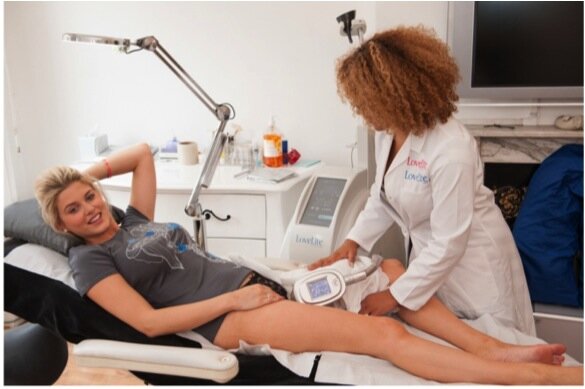 The Stunning Ashley James From Hit Show Made In Chelsea Has LipoglazeRead More....
- Strictly Come Dancing
 Kristina Rhianoff Has Lipoglaze To Get The Thigh Gap LookRead More....
- Lovelite UK 144 © 2014 |

- some useful links
- The materials published herein are solely and exclusively the property of loveliteuk ltd. this includes and does not exclude, text, contact information, names and addresses of our staff or technicians, and you do not have our permission to repost, copy, or share on social network sites without our express permission beforehand. This message is directly addressed to SOITW and any of its members
- Site | Hertsmedia